The short version
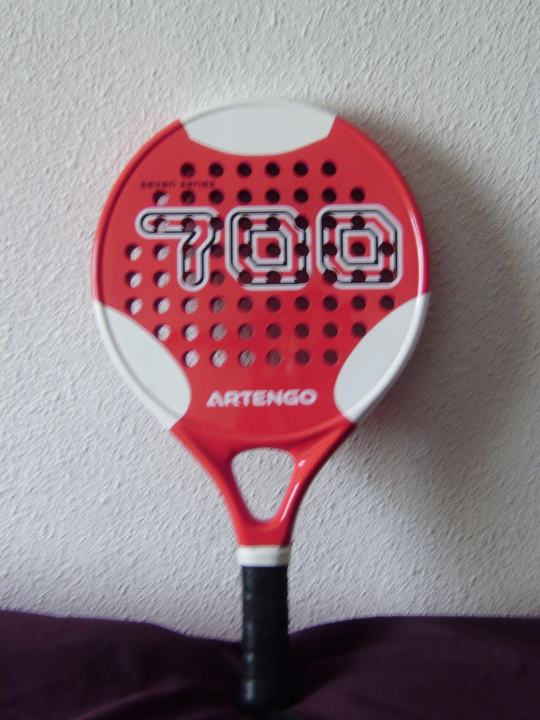
- Round: sweet spot low and central, easy to control, forgiving. Best for beginners and defensive players.
- Teardrop: in between. A balance of control and power that suits most intermediate players.
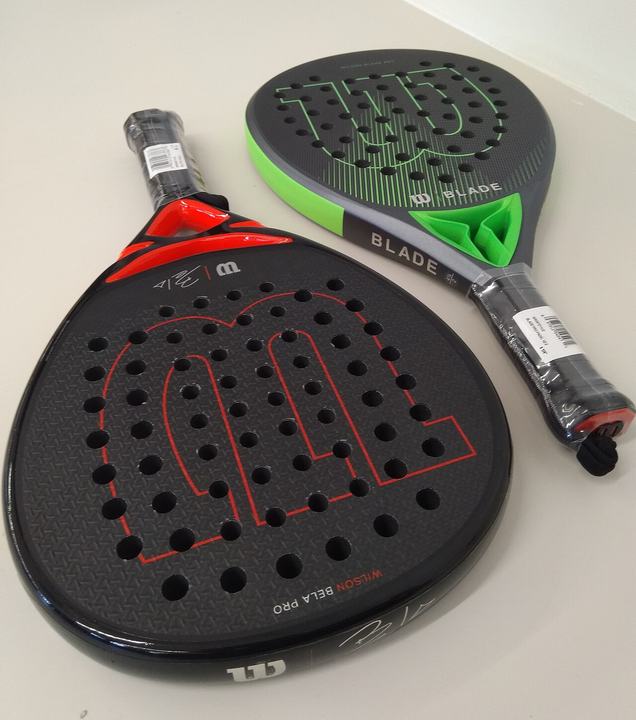
- Diamond: sweet spot high up the face, more power overhead, less forgiving. Best for attacking players with good technique.
Shape is a starting point, not the whole story. Balance, weight and materials matter as much, and the testers we've counted found several rackets that don't behave the way their shape suggests.
The three shapes compared
| Round | Teardrop | Diamond | |
|---|---|---|---|
| Sweet spot | Low and central | Middle | High towards the tip |
| Typical balance | Low (head-light) | Even | High (head-heavy) |
| Strength | Control and forgiveness | All-round | Power overhead |
| Weakness | Less power on smashes | Jack of all trades | Punishes mishits; harder in defence |
| Suits | Beginners, defensive and right-side players | Most intermediates | Advanced attacking and left-side players |


What testers found on real rackets
Shape labels are useful, but the rackets we've researched show why you should look further:
| Racket | Shape | Measured balance | What the testers found |
|---|---|---|---|
| Babolat Counter Viper 2.6 | Round | 26.3–26.8 cm | Round, but slightly head-heavy and firm. All four testers praise its control; they split on whether intermediates can use it. |
| Nox AT10 Genius 18K 2026 | Teardrop | 24.9–25.6 cm | NOX calls it a teardrop; two testers say it plays closer to round. All seven say it plays for control rather than power. |
| Babolat Air Viper 2.6 | Teardrop | 26.8 cm | Light and fast: all three testers say it flies through the air. |
| Bullpadel Vertex 05 2026 | Diamond | 25.2–26.3 cm | A diamond that forgives: four of five found the sweet spot generous, and three describe it as control-first. |
| Adidas Metalbone 2026 | Diamond | 26.8–27.5 cm | A classic attacking diamond: all eight testers praise its power; they split 4 to 3 on defence. |
| Babolat Technical Viper 3.0 | Diamond | 26.2 cm | All four testers found it firm, punishing off-centre and very powerful overhead. |
Measured balance is the distance from the butt of the handle to the balance point, as testers reported for their own units. Higher numbers mean more weight towards the head.
Two lessons stand out. First, balance varies more than shape suggests: the "round" Counter Viper measured more head-heavy than the "diamond" Vertex 05. Second, construction changes the feel: the Vertex and Technical Viper are both diamonds, yet testers found one forgiving and the other punishing.
Balance, weight and materials
Balance. Low balance (roughly under 25.5 cm) makes a racket quicker at the net and easier in defence; high balance (over about 26.5 cm) adds momentum for smashes but tires the arm. Testers measured the same model differing by up to a centimetre, so ask the shop for your unit if it matters to you.
Weight. Most adult rackets weigh 345–375 g. Lighter rackets are easier to move but less stable against hard balls; Probando Palas found that adding 8 g to the head of an AT10 changed it from a control racket to something close to an attacking one at the net.
Materials. Fibreglass faces are softer and more forgiving; carbon faces are firmer, with more control and power once your technique is consistent. Soft cores forgive more; hard cores give more pace to strong hitters.
Which shape should you choose?
- Beginner: round or teardrop, fibreglass, around £55–£100. See our beginner guide.
- Improving to intermediate: a teardrop or a forgiving diamond. Testers found the AT10 Genius 18K and Vertex 05 easier than their reputations. See our intermediate guide.
- Advanced attacker: a diamond like the Metalbone or Technical Viper, if your overhead is reliable.
- Prone to elbow problems: avoid firm, head-heavy rackets. Testers warned arm-sensitive players off the Counter and Technical Vipers.
For every racket side by side, see our padel racket review comparison.
Common questions
Which padel racket shape is best for beginners?
Round or teardrop, with a fibreglass face, for around £55–£100. A round head puts the sweet spot low and central, which forgives off-centre hits.
Is a diamond padel racket more powerful?
Usually: a diamond moves the sweet spot towards the tip for power overhead, but punishes mishits. Construction matters too: 4 of 5 testers found the diamond Vertex 05 forgiving, while all 4 found the Technical Viper 3.0 punishing.
Does shape matter more than balance?
Not necessarily. The round Counter Viper measured more head-heavy (26.3–26.8 cm) than the diamond Vertex 05 (25.2–26.3 cm), so check balance and weight as well as shape.
Which shape is best for elbow problems?
Avoid firm, head-heavy rackets. Testers warned arm-sensitive players off the Counter and Technical Vipers.
Sources
- Tester findings and measured balance: each racket's roundup page, linked above, lists every review with dates and links.
- HEAD: how to choose a padel racquet
- Babolat: Counter Viper 2.6 specification
Some links on this page may earn us a commission at no extra cost to you. Affiliate disclosure